Exploring the Evolution of Simulation Games: The Impact of MMORPGs on Online Gaming Culture
Simulation games have transformed immensely since their inception, evolving into diverse genres that capture the imagination of millions. Among these, MMORPGs (Massively Multiplayer Online Role-Playing Games) stand out as a vital segment, profoundly shaping online gaming culture. This article delves into the development of simulation games with a spotlight on MMORPGs and how they continue to influence the virtual landscape.
The Rise of Simulation Games
From managing cities to simulating life, simulation games have always intrigued players. They offer a unique blend of strategy, creativity, and exploration. As detailed in the table below, the early days of simulation games were characterized by simple graphics and gameplay.
| Era | Game Titles | Key Features |
|---|---|---|
| 1980s | SimCity | City management, building, and resource allocation |
| 1990s | The Sims | Life simulation, character customization, social interactions |
| 2000s | World of Warcraft | Fantasy world, quests, and community engagement |
MMORPGs: A Game-Changer
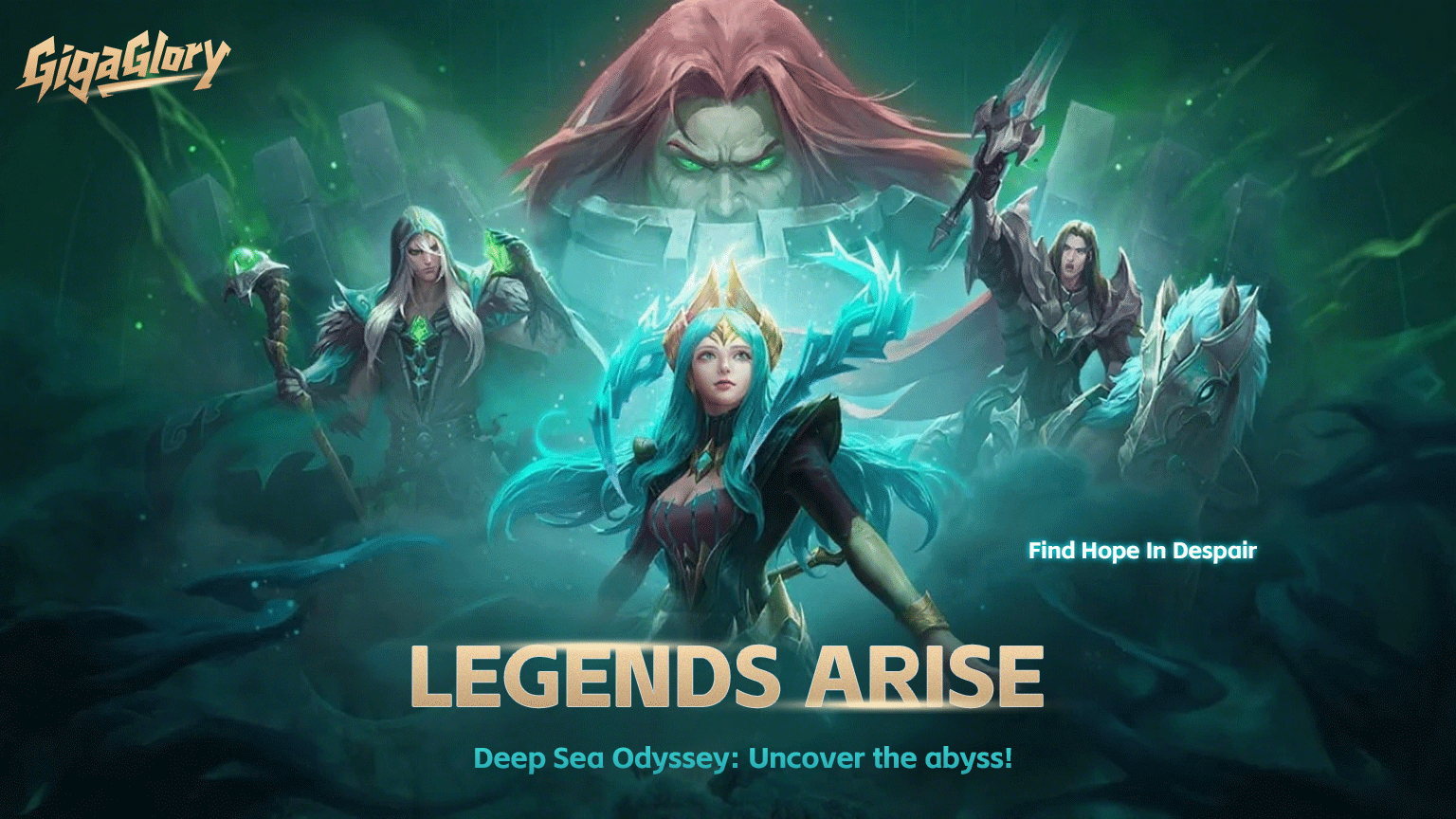
MMORPGs revolutionized the simulation genre by introducing a vast, persistent world where players interact in real-time. Unlike traditional simulation games, MMORPGs bring a social element that engages players on a deeper level. Games like World of Warcraft and Guild Wars have paved the way for massive online communities, leading to the rise of guilds and alliances.
- **Social Interaction**: Players can connect with others around the world.
- **Player-Driven Economy**: Trade and crafting systems empower players to influence the game economy.
- **Endless Exploration**: Vast worlds and quests ensure that players continually discover new experiences.
Impact on Online Gaming Culture
The advent of MMORPGs has not only changed how simulation games are played but has also reshaped online gaming culture entirely. Here are a few key points to consider:
- **Community Building**: MMORPGs foster a sense of belonging through in-game alliances.
- **Cultural Exchange**: Players from different regions and backgrounds interact, sharing ideas and experiences.
- **Creativity and Expression**: Players express themselves through character customization and storytelling within the game.
Interestingly, some unconventional influences have emerged from this genre, such as the squid game asmr phenomenon, which takes inspiration from competitive gaming and social interaction. The blend reflects a unique fusion of video game elements with sensory experiences, appealing to a broader audience.
The Future of Simulation Games
As technology continues to advance, the future of simulation games looks promising. With the introduction of virtual reality (VR) and augmented reality (AR), players are likely to experience a more immersive world. Imagine walking through a digital cityscape in VR or checking your potato leek soup recipe with a floating AR hologram!
Conclusion
In conclusion, simulation games, with MMORPGs at the forefront, have undeniably impacted online gaming culture. They offer a unique blend of social interaction, creativity, and persistent worlds, forever changing how we perceive and engage with video games. As we look ahead, one can only speculate how these games will continue to evolve, bringing new experiences and communities together in ways we can hardly imagine.